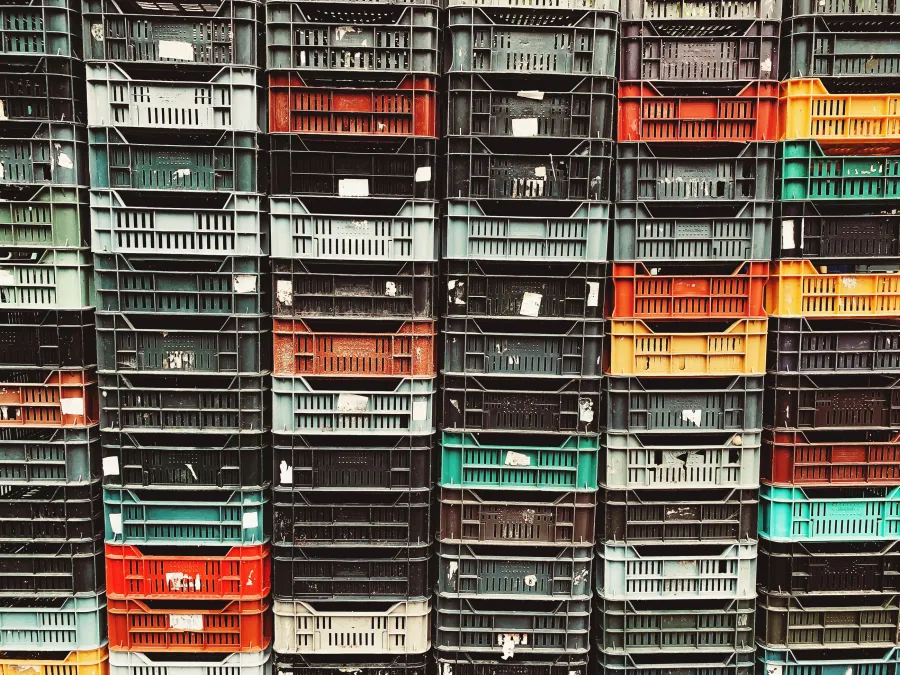
ABS
Acrylonitrile butadiene styrene
Highest impact strength and rigidity of the range.
- Sheet
- 1.0 to 6.0 mm
- Food contact
- No
#16 Velayudham Nagar Industrial Estate, Thirumudivakkam, Chennai, 600 044, Tamil Nadu, India
Seven polymers, each right for some jobs and wrong for others. Here is how we choose.
Acrylonitrile butadiene styrene
Highest impact strength and rigidity of the range.
High impact polystyrene
Easy to form with crisp detail, economical, dimensionally stable.
Rigid polyvinyl chloride
Glass-clear, excellent detail and sealing behaviour, cost-effective for thin blisters.
Amorphous polyethylene terephthalate
Glass-clear with high gloss and good impact strength.
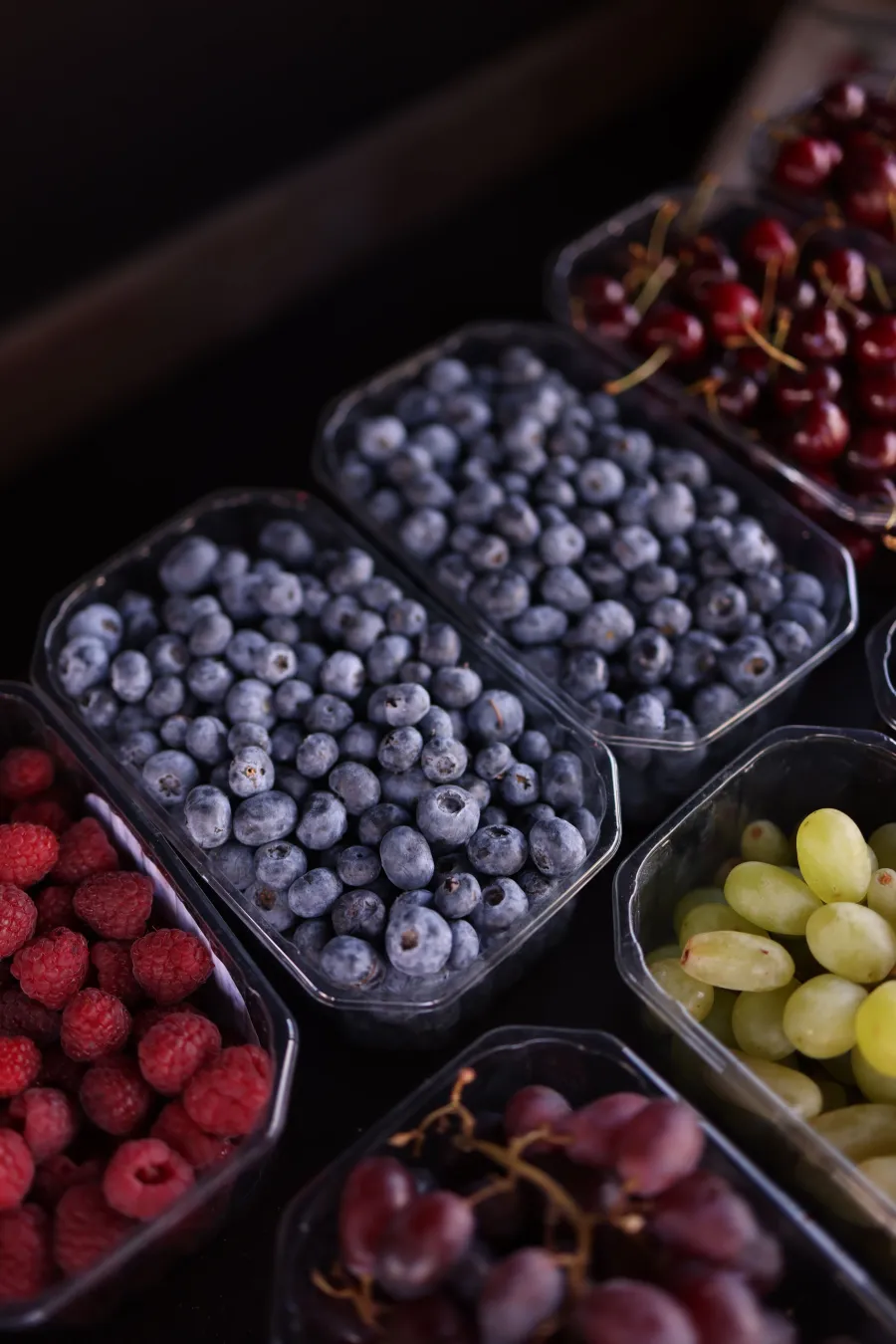
Glycol-modified PET
PET with improved deep-draw and folding behaviour.
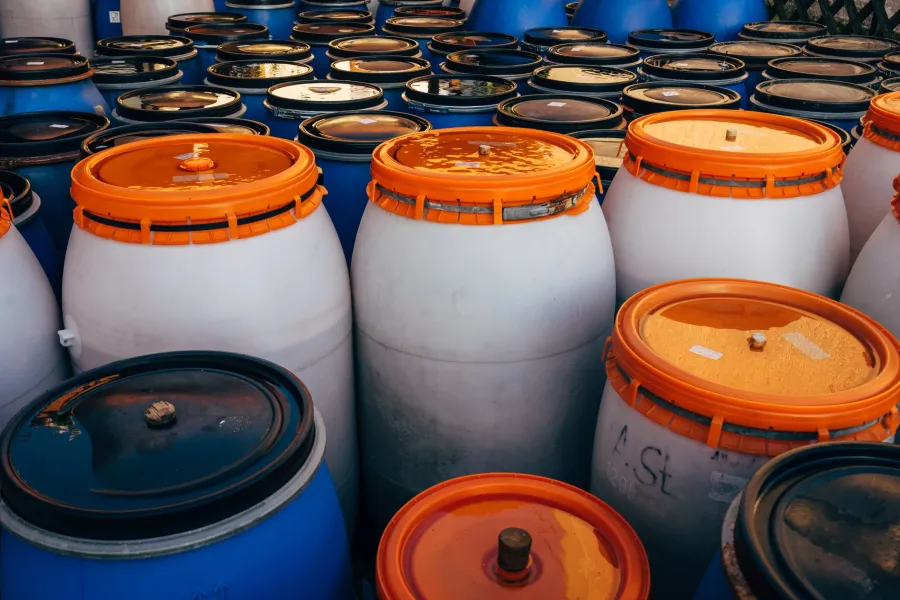
High density polyethylene
Chemical resistant, tough at low temperature, matte finish.
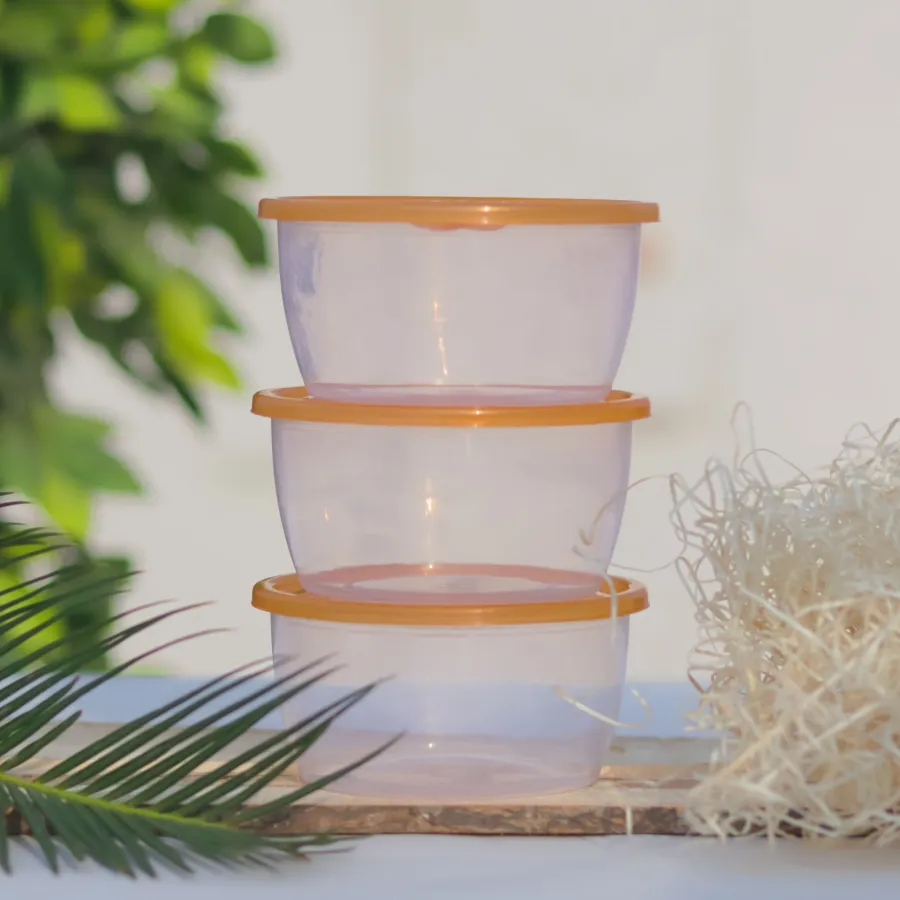
Polypropylene
Heat resistant (hot-fill and warm food), living-hinge capable, chemically inert.
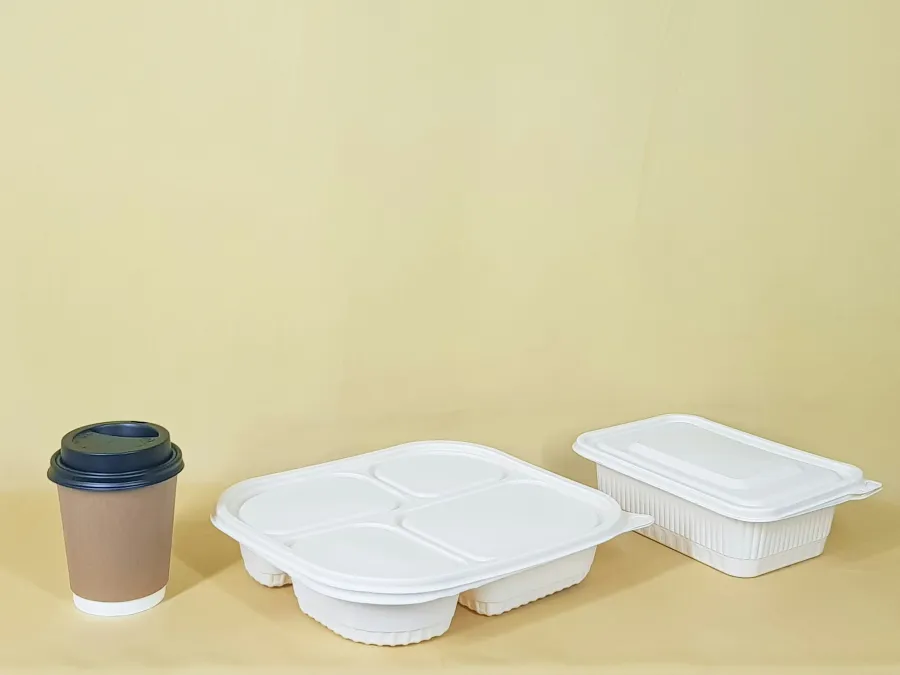
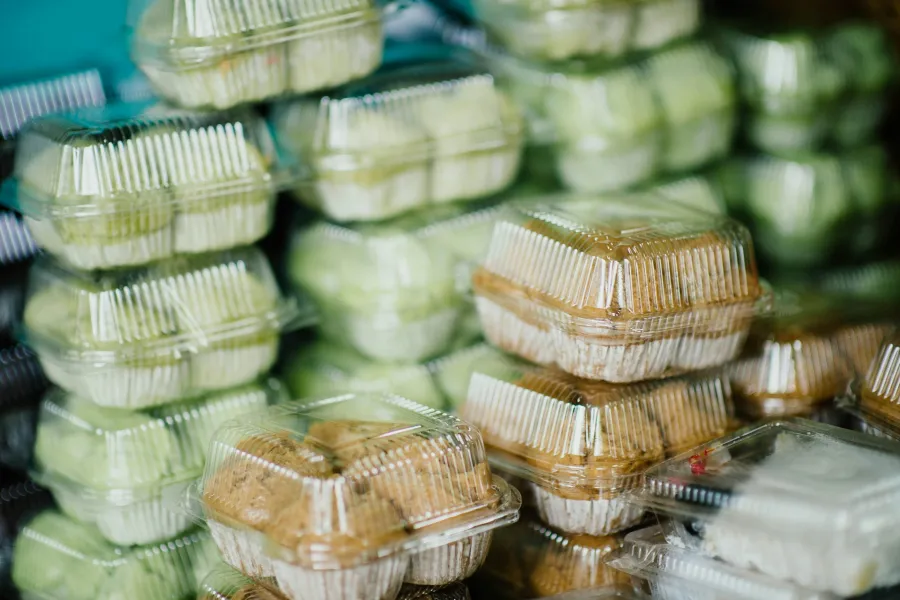
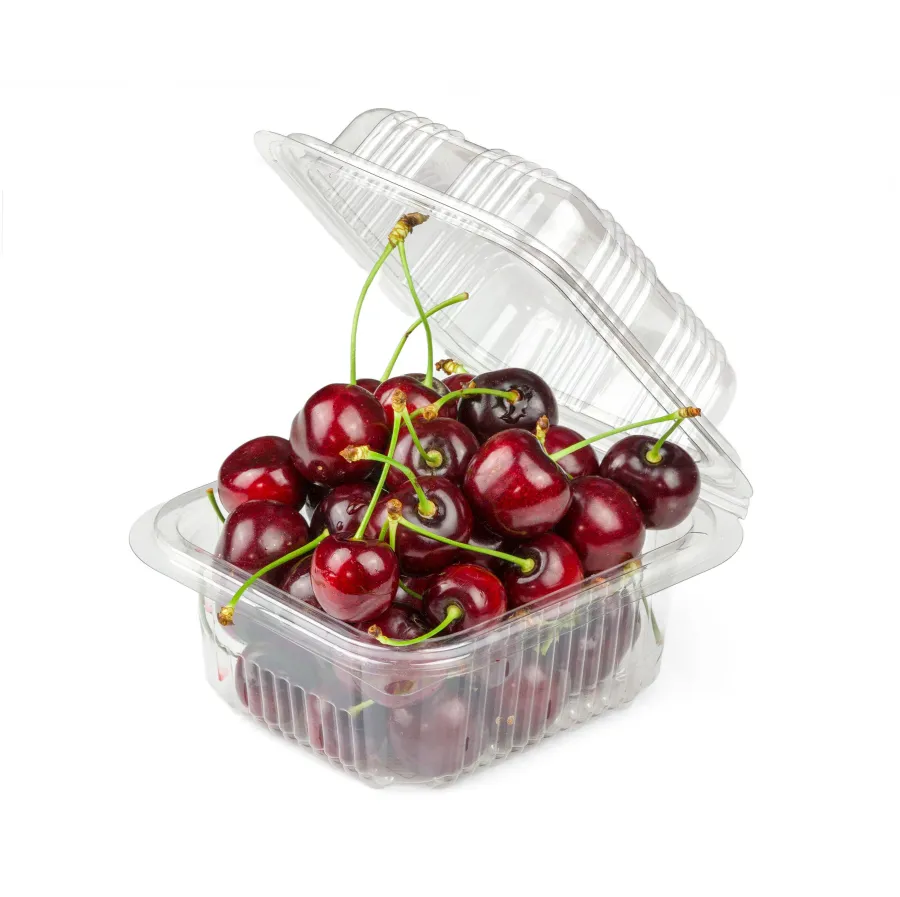
Photos show typical uses of plastic packaging, not specific grades. Thickness is what we form on our own machines. Food-grade sheet comes with supplier documents.
Selection guide
Gauge
| Range | Typical use |
|---|---|
| 0.15 to 0.35 mm | Blisters, blister cards, light inserts |
| 0.35 to 0.60 mm | Clamshells, food trays, sealable trays |
| 0.60 to 1.20 mm | Display and component trays |
| 1.2 to 3.0 mm | Reusable and ESD trays, covers |
| 3.0 to 6.0 mm | Heavy returnable trays, machine covers |
Next step
Describe the part and where it is used. We will recommend a material and gauge.